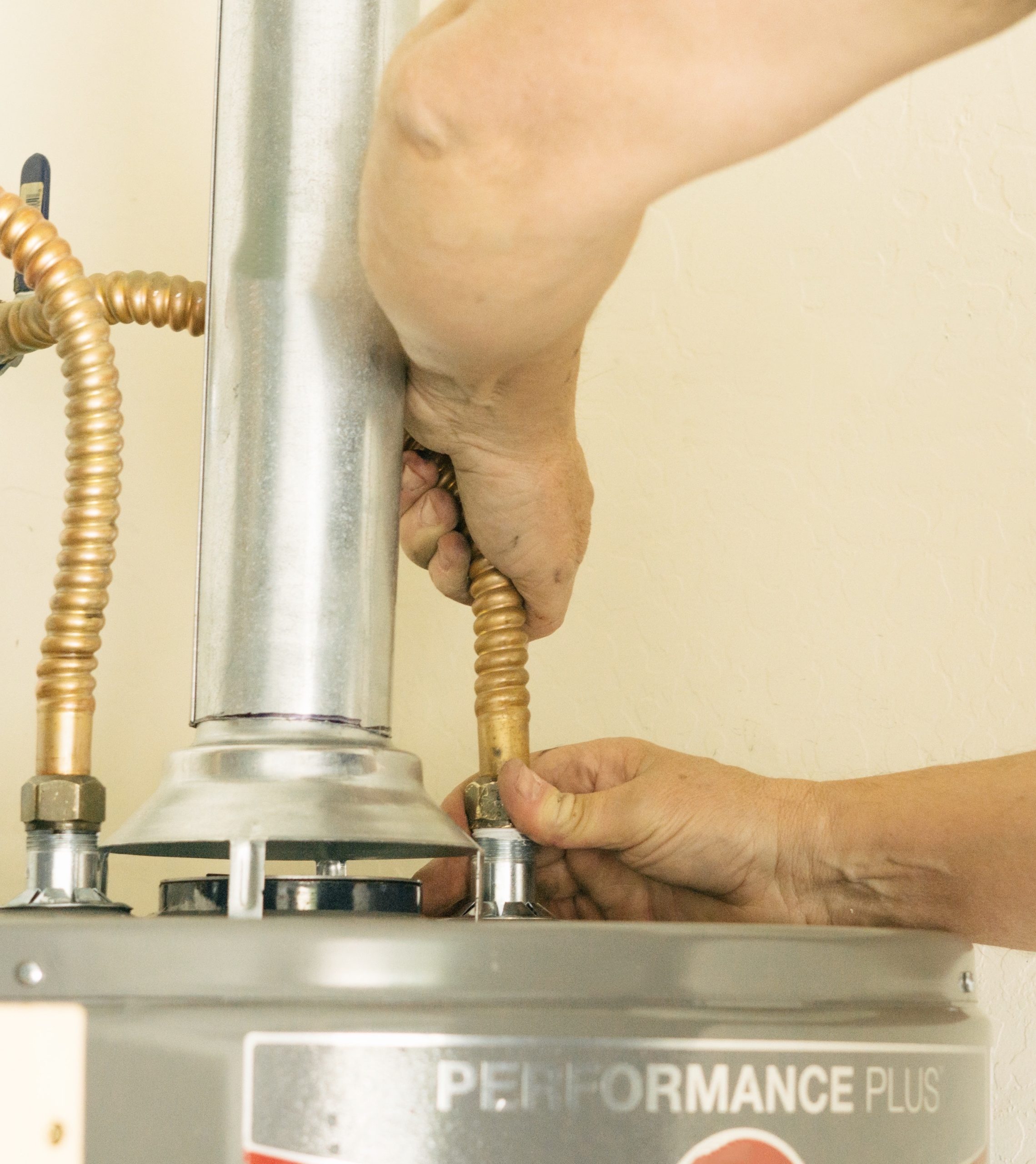
In 2026, water heaters are no longer simple utility appliances—they are part of a home’s energy ecosystem. From high-efficiency electric tanks to powerful tankless systems, today’s water heaters demand advanced electrical wiring, precise installation, and strict safety standards. A properly wired water heater ensures consistent hot water, improved energy efficiency, and long-term system stability.
As homes become more connected and power-hungry, professional water heater wiring and installation play a critical role in protecting both comfort and property.
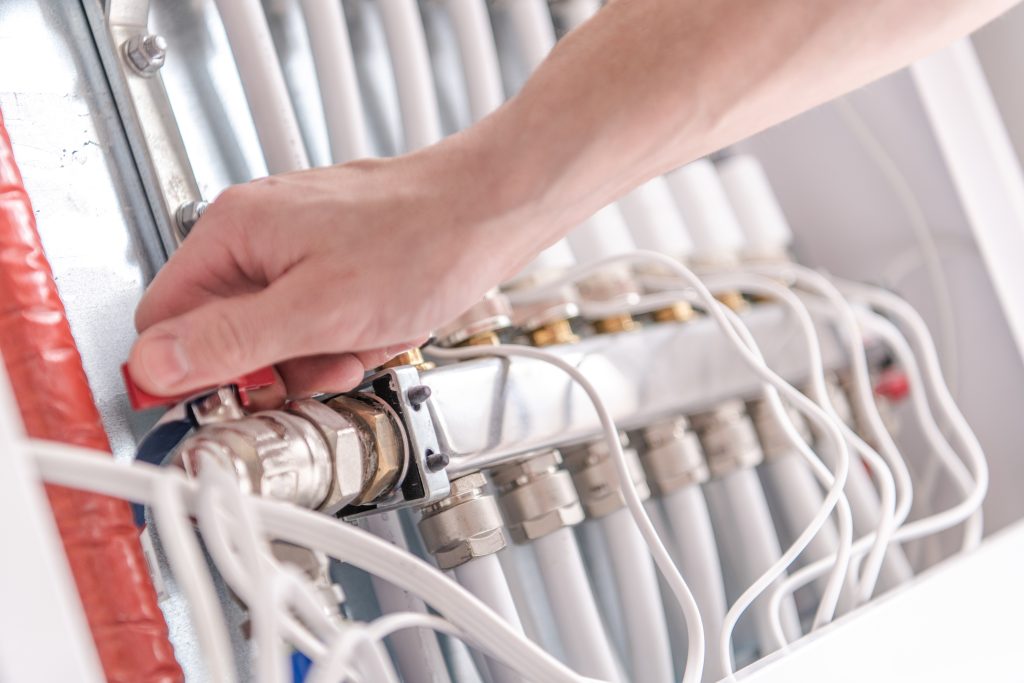
How Water Heater Electrical Systems Work Today
Modern electric water heaters rely on dedicated circuits to handle heavy electrical loads safely. Most systems operate on 240 volts and use internal thermostats and heating elements that must be wired correctly to regulate temperature and prevent overheating.
Core electrical components include:
- Dedicated breaker in the electrical panel
- Correct wire gauge based on heater load
- Grounding and bonding connections
- Disconnect access for servicing
- Thermostat and element wiring
When these elements are installed correctly, the system runs efficiently and safely for years.
Why Proper Wiring Matters More Than Ever in 2026
With rising energy demands from EV chargers, smart appliances, and high-efficiency HVAC systems, electrical panels are under more strain than ever. A water heater that is incorrectly wired can overload circuits, cause breaker failures, or create fire hazards.
Correct wiring prevents:
- Power surges
- Overheating wires
- Inconsistent hot water
- Code violations
- Equipment damage
Professional installation ensures your water heater integrates safely into your home’s evolving electrical system.
Electrical Planning Before Installation
Before installing a water heater, electricians evaluate:
- Panel capacity
- Available breaker space
- Distance between panel and heater
- Wattage and amperage requirements
- Safety clearance
This planning stage ensures the heater can operate at full capacity without stressing the electrical infrastructure.
Tank vs Tankless: Wiring Differences in 2026
Electric Tank Water Heaters
These systems store heated water and cycle on and off throughout the day. They typically require:
- One or two heating elements
- A dedicated 240V circuit
- Moderate electrical load
Electric Tankless Water Heaters
Tankless units heat water instantly and draw far more power. They often need:
- Multiple dedicated circuits
- Heavy-gauge wiring
- Higher panel capacity
- Advanced load management
Because of their electrical demand, tankless systems must be professionally wired to prevent overload and maintain consistent performance.
Modern Safety and Code Requirements
Electrical codes continue to evolve to meet modern safety standards. Water heater wiring must comply with:
- Circuit protection requirements
- Proper grounding methods
- Heat-resistant wiring materials
- Service disconnect placement
- Clearance from combustible surfaces
Code-compliant installation protects homeowners from insurance issues, inspection failures, and dangerous electrical conditions.
What Happens When Wiring Is Done Incorrectly
Improper wiring often leads to:
- Breakers tripping frequently
- Delayed or uneven water heating
- Melted terminals
- Burnt insulation
- Shortened heater lifespan
These problems may not appear immediately but worsen over time as electrical stress builds.
Benefits of Professional Wiring in 2026
Professional water heater wiring provides:
- Optimized circuit sizing
- Secure electrical connections
- Safe load balancing
- Long-term reliability
- Reduced fire risk
It also ensures compatibility with modern home energy systems and future upgrades.
Electrical Upgrades for New Water Heaters
Older homes often require electrical updates before installing newer water heaters. Common upgrades include:
- Panel expansion
- New breakers
- Rewiring from outdated aluminum or undersized conductors
- Grounding system improvements
These upgrades allow newer heaters to operate safely and efficiently.
Warning Signs Your Water Heater Wiring Needs Service
Homeowners should schedule service if they notice:
- Flickering lights when heater runs
- Burning smells near the unit
- Breakers tripping repeatedly
- Warm wiring or panels
- Water that never reaches proper temperature
These are indicators of electrical strain or unsafe wiring conditions.
Long-Term Value of Correct Installation
When a water heater is wired properly, it:
- Uses energy more efficiently
- Heats water faster
- Experiences fewer breakdowns
- Lasts longer
- Protects the home’s electrical system
Correct installation is not just about today—it supports long-term home performance.
Conclusion
In 2026, water heater wiring and installation require more than basic connections. They demand precision, safety awareness, and compatibility with modern electrical systems. From panel capacity to circuit design, every step affects how efficiently and safely your hot water system operates.
For expert water heater wiring and installation built for modern homes, Perfect Connection Electrical Service delivers professional solutions that prioritize safety, performance, and long-term reliability. Contact Perfect Connection Electrical Service today to schedule your water heater wiring and installation and ensure your system is ready for the future.