If you’ve ever stared at a flickering light switch or a tripped breaker and thought, “I could probably fix this myself,” you’re not alone. YouTube tutorials make electrical work look simple, and a trip to the hardware store feels a lot cheaper than a service call. But when it comes to DIY vs. licensed electrician decisions in Broward County, the stakes are higher than they look.
South Florida’s humidity, older housing stock, and strict local codes make electrical safety a bigger issue here than in many other parts of the country. Knowing when to grab your toolbox and when to hire a licensed electrician in Broward County can save you money, protect your home, and keep your family safe.
This guide breaks down exactly which electrical tasks are safe to handle yourself, which ones cross the line into dangerous or illegal territory, and why home electrical repair in Broward County almost always calls for a professional.
Why Electrical Safety Looks Different in South Florida
Homes in Broward County face conditions that put extra strain on electrical systems. Salt air, high humidity, and frequent summer storms speed up corrosion on wiring, panels, and outdoor fixtures. Many neighborhoods also have homes built decades ago, meaning older aluminum wiring or outdated panels that weren’t designed for today’s power demands from air conditioners, pool equipment, and EV chargers.
That combination makes electrical safety in South Florida less forgiving than it might be in a drier, newer-built region. A repair that seems minor in a newer home in another state could reveal a much bigger issue in an older Broward County property.
What DIY Electrical Work Is Actually Safe to Do
Not every electrical task requires a professional. Some simple, low-risk jobs are perfectly fine for homeowners to tackle, as long as the power is shut off first and basic precautions are followed.
Safe DIY tasks include:
- Replacing a light bulb or a broken lamp switch
- Swapping out a wall outlet or switch cover plate
- Installing battery-operated or plug-in lighting
- Replacing a pre-wired ceiling fan with an identical model (in some cases)
- Resetting a tripped breaker (once, to see if it holds)
These tasks involve minimal exposure to live wiring and don’t typically require a permit. Still, always turn off the breaker before touching any wiring, and test the circuit with a voltage tester before starting work.
What Should Always Be Left to a Licensed Electrician
Once a project involves the home’s wiring, breaker panel, or permanent fixtures, it moves out of DIY territory. In Florida, most electrical work beyond basic fixture swaps legally requires a licensed electrician and a permit.
Tasks that call for a professional:
- Installing or upgrading an electrical panel
- Adding new circuits or outlets
- Wiring a hot tub, pool, EV charger, or generator
- Rewiring any part of the home
- Troubleshooting frequent breaker trips or flickering lights
- Repairing or replacing damaged wiring
- Any work involving the main service line from the utility company
These jobs carry real risk of electric shock, fire, or code violations if done incorrectly. A licensed electrician in Broward County also carries insurance and follows the National Electrical Code (NEC) along with local Broward permitting requirements, which protects you if something goes wrong down the line.
The Real Risks of DIY Electrical Work
It’s easy to underestimate how dangerous amateur electrical work can be. A few of the most common risks include:
- Electric shock or electrocution from live wires that weren’t properly de-energized
- Fire hazards from loose connections, overloaded circuits, or incorrect wire gauges
- Code violations that can complicate a home sale or insurance claim
- Voided insurance coverage if damage is traced back to unpermitted work
- Hidden damage that isn’t obvious until it causes a bigger failure later
Unlike a leaky faucet, a wiring mistake often isn’t visible right away. Problems can smolder behind walls for months before they cause real damage, which is part of why home electrical repair in Broward County is worth doing right the first time.
When to Hire an Electrician in Broward County: Quick Checklist
Not sure if your project needs a professional? Use this quick checklist.
Call a licensed electrician if:
- The job involves your breaker panel or main electrical service
- You’re adding a new circuit, outlet, or dedicated line
- You smell burning or see scorch marks near an outlet or switch
- Breakers trip repeatedly for no clear reason
- Lights flicker or dim across multiple rooms
- You’re installing major appliances, an EV charger, or backup power equipment
- The work requires a permit under Broward County code
If any of these apply, it’s time to make the call rather than the repair.
Why Local Licensing and Permits Matter in Broward County
Florida law requires a licensed electrical contractor for most work beyond simple fixture replacement, and Broward County enforces permitting on top of that. Permits exist for a reason: they trigger an inspection that confirms the work meets safety code before it’s covered up behind drywall.
Skipping permits might save time upfront, but it creates problems later. Unpermitted electrical work can:
- Delay or derail a home sale
- Lead to denied insurance claims after a fire or damage
- Require costly rework to bring things up to code
A licensed electrician in Broward County handles the permitting process as part of the job, so you don’t have to navigate county requirements on your own.
Frequently Asked Questions
What electrical work can I legally do myself in Florida? Florida generally allows homeowners to perform minor repairs like replacing outlets, switches, and light fixtures in their own primary residence. Anything involving new circuits, panel work, or permanent wiring typically requires a licensed contractor and a permit.
How do I know if my breaker panel needs to be replaced? Warning signs include frequent tripping, a warm or buzzing panel, visible rust or corrosion, burning smells, or a panel brand known for safety recalls. A licensed electrician can inspect the panel and tell you whether a repair or full upgrade is needed.
Is it cheaper to DIY electrical repairs? It can seem cheaper upfront, but mistakes often cost more to fix than the original repair would have cost a professional. Failed inspections, fire damage, and denied insurance claims can turn a small DIY project into a large expense.
Do I need a permit for a minor electrical repair in Broward County? Simple tasks like replacing a light fixture usually don’t need a permit. Anything involving new wiring, circuits, or panel work almost always does. When in doubt, ask a licensed electrician before starting.
How often should an older Broward County home have its wiring inspected? Homes over 25–30 years old, or those with a history of electrical issues, should have a professional inspection every few years, especially before a major renovation or after a big storm season.
The Bottom Line
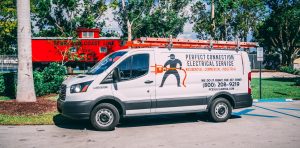
Small, low-risk fixes like changing a light bulb or swapping a switch plate are fine to handle yourself. But anything touching your home’s wiring, breaker panel, or main power supply is a job for a licensed electrician in Broward County. Between South Florida’s humidity, storm exposure, and strict permitting rules, the risks of getting it wrong outweigh the savings of doing it yourself. Perfect Connection Electrical Service provides professional electrical services to help homeowners keep their electrical systems safe and code-compliant.
If you’re dealing with flickering lights, frequent breaker trips, or you’re planning an upgrade like a new panel or EV charger, don’t risk it. Reach out to Perfect Connection Electrical Service for safe, professional, and code-compliant electrical services.
Not sure if your electrical issue is a DIY fix or a job for the pros? Contact Perfect Connection Electrical Service today for a fast, honest assessment and a free quote. Your home’s safety is worth the call.